You fill your glass from the tap, but that metallic tang or faint chlorine smell makes you wince. You want cleaner, better-tasting water without the waste of plastic bottles. That is where a water filter pitcher steps in, and two brands dominate the conversation: Brita and ZeroWater. This guide compares their top models side by side, helping you choose the right pitcher for your needs and budget in 2026. We have evaluated five leading options from both brands, focusing on filtration power, capacity, and ease of use. Whether you prioritize removing every trace of dissolved solids or simply want a reliable, affordable filter, we break down the facts so you can decide with confidence.


Buying Guide
Filtration Performance and Contaminant Reduction
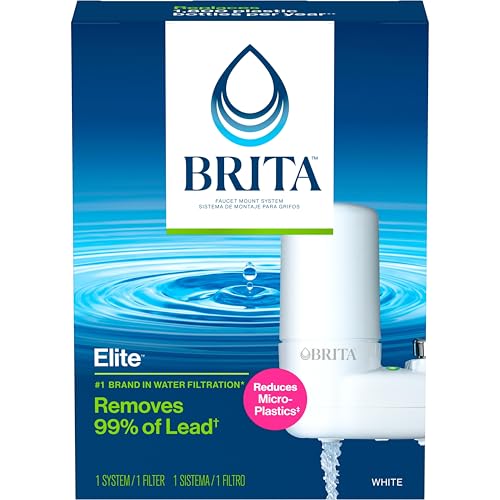
The core reason you buy a filter pitcher is to remove impurities. ZeroWater uses a five-stage ion exchange system that targets virtually all total dissolved solids (TDS), including metals, minerals, salts, and ions. Their filters are IAPMO certified to reduce PFOA/PFOS, lead, chromium, and mercury. Brita, on the other hand, relies on activated carbon technology. The Brita Elite filter reduces 99% of lead, chlorine taste and odor, microplastics, and over 30 other contaminants, with WQA and NSF/ANSI certifications. If your water has a high TDS level or you are concerned about specific contaminants like PFAS, ZeroWater offers a more comprehensive reduction. For everyday taste improvement and chlorine removal, Brita delivers reliable performance.
To see how Brita’s filtration stacks up against another competitor, check out our clearly filtered pitcher review for a detailed comparison of contaminant reduction.
Capacity and Dispensing Convenience
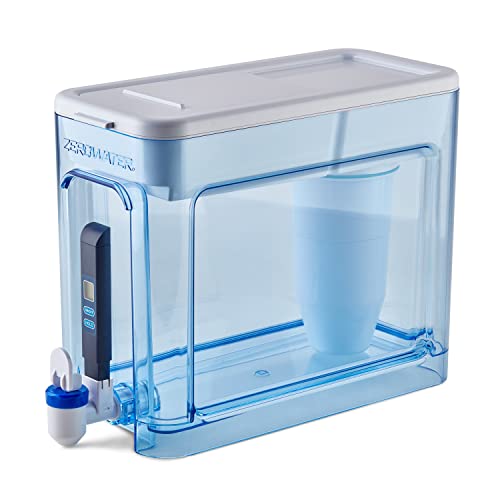
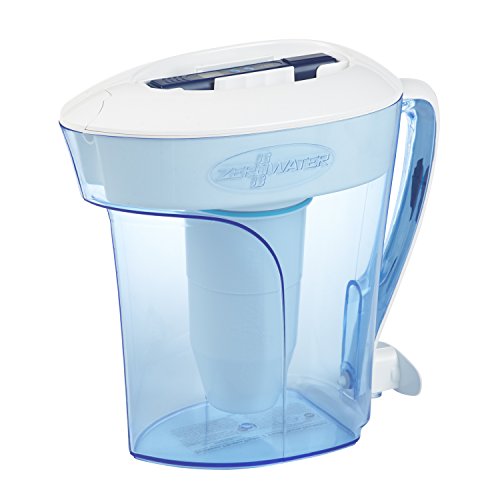
How much water you need daily directly influences which pitcher size fits your lifestyle. ZeroWater offers a range from the compact 10-cup pitcher to the large 32-cup dispenser, perfect for families or offices. Brita’s large 10-cup pitcher is fridge-friendly and easy to fill, but its capacity is smaller than ZeroWater’s biggest option. Consider how often you want to refill and whether you prefer a pitcher that sits on a countertop or a dispenser with a spigot for easy access. The best water filter dispenser for you depends on your household size and daily consumption.
Filter Longevity and Replacement Cost
Filter life affects both convenience and your wallet. Brita Elite filters last up to six months or 120 gallons, which means fewer replacements and lower annual costs. ZeroWater filters need changing when the TDS meter reads 006, which can be as often as every two to four weeks depending on your water quality. While ZeroWater filters are more expensive per replacement, they remove more contaminants. If you have relatively clean tap water, Brita’s longer-lasting filters offer better value. If you demand zero TDS, the higher frequency of ZeroWater replacements is a trade-off worth considering. For a deeper look at Brita’s filter options, read our brita elite filter review.
Ease of Use and Additional Features
Both brands focus on user-friendly designs, but they differ in extras. ZeroWater pitchers include a built-in TDS meter that gives you real-time feedback on water purity, so you always know when to change the filter. Brita pitchers have an electronic filter indicator that reminds you every two months, but it does not measure dissolved solids. Brita’s easy-fill lid and slim profile make it easier to fill and store in most fridges. ZeroWater’s larger models feature a spigot for easy dispensing without lifting. Think about which features matter most to you: instant feedback on purity or simple filter reminders. For a full comparison of Brita’s lineup, visit our best brita water filter guide for more insights.
Final Thoughts
Choosing between Brita and ZeroWater comes down to your priorities. If your water quality is high in total dissolved solids or you want to reduce PFAS and other contaminants, the ZeroWater 32-Cup Water Filter Dispenser Removes offers unmatched filtration with its five-stage ion exchange system. For most households seeking a reliable, affordable, and long-lasting filter that improves taste and reduces lead microplastics, the Brita Large 10 Cup Water Filter Dispenser is a proven choice that saves money and plastic waste. Both brands deliver pure tasting water, but your specific water quality and budget will guide you to the right pick.
Frequently Asked Questions
Does ZeroWater remove more contaminants than Brita?
Yes, ZeroWater’s five-stage ion exchange filter removes virtually all total dissolved solids, including metals, minerals, and salts, while Brita’s activated carbon filter targets chlorine, lead, microplastics, and over 30 other contaminants. ZeroWater offers more comprehensive reduction but requires more frequent filter changes.
How often do I need to change ZeroWater vs Brita filters?
Brita Elite filters last up to six months or 120 gallons. ZeroWater filters need replacement when the TDS meter reads 006, which can be every two to four weeks depending on your water quality. Brita offers longer filter life, while ZeroWater provides real-time feedback on when to change.
Can I use Brita filters in ZeroWater pitchers and vice versa?
No, Brita and ZeroWater filters are not interchangeable. Each brand’s filters are designed specifically for their own pitchers and dispensers. Always use the correct filter for your pitcher to ensure proper performance and certification.
Which pitcher is better for reducing lead and PFAS in 2026?
Both brands reduce lead, but ZeroWater’s filters are IAPMO certified to reduce PFOA/PFOS, lead, chromium, and mercury, making them a stronger choice for PFAS reduction. Brita Elite filters reduce 99% of lead and microplastics but do not specifically target PFAS. For comprehensive contaminant removal, ZeroWater is the better option.