

You open your tap expecting clean, great-tasting water, but instead you catch a whiff of chlorine or notice a strange aftertaste. Maybe you have hard water that leaves spots on your dishes, or you are worried about contaminants like lead, PFAS, or microplastics. If any of this sounds familiar, a reverse osmosis (RO) system could be the solution. This guide will walk you through everything you need to know about how to choose a reverse osmosis system, from filtration stages to flow rate, and highlight six top-rated models to consider for 2026. Whether you are a first-time buyer or upgrading an older unit, we have you covered.


Buying Guide: Key Factors to Consider
Filtration Stages and Contaminant Removal
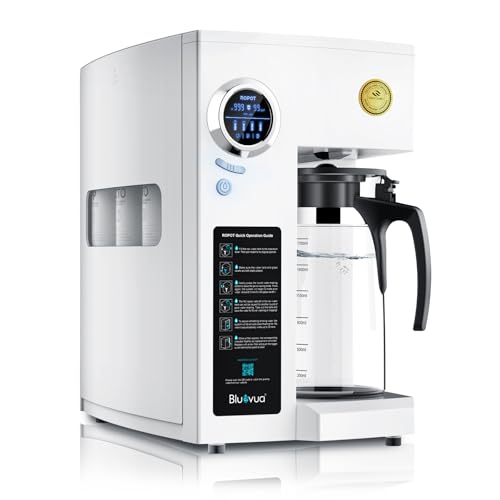
Not all RO systems are created equal when it comes to filtration. Standard models typically use a multi-stage process: sediment and carbon pre-filters, a reverse osmosis membrane, and a post-filter. Higher-end units add extra stages like alkaline remineralization or UV light to target specific concerns. For example, the iSpring RCC7AK-BN NSF Certified, 75 GPD includes a mineral boost stage that adds back beneficial minerals and balances pH, while the Bluevua RO100ROPOT Countertop Reverse Osmosis uses UV light for extra microbial protection. When evaluating systems, check which contaminants each stage is certified to reduce. For a deeper look at how different models compare, read our waterdrop vs iSpring article.
Flow Rate and Water Production
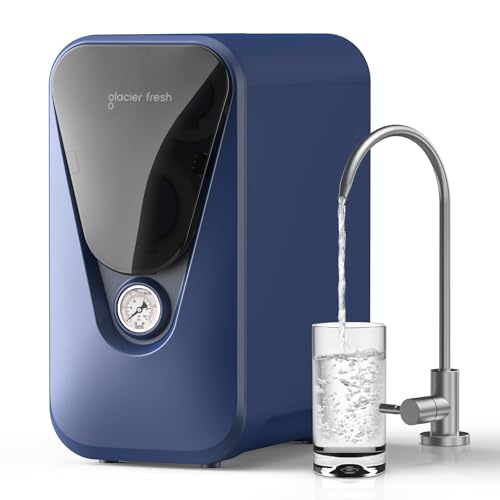
Flow rate determines how quickly you can fill a glass or a pitcher. Measured in gallons per day (GPD), this number matters for your household size. A 50 GPD system like the APEC Water ROES-50, 5-Stage Under Sink Reverse is fine for small families, but larger households may prefer a high-output model. The iSpring RO500AK Alkaline Reverse Osmosis System delivers 500 GPD and can fill an 8-ounce cup in about 10 seconds, making it ideal for busy kitchens. If you want a tankless design that saves space and provides on-demand water, consider the GLACIER FRESH GFU03 Electric-Free Reverse Osmosis with 800 GPD output. For a side-by-side performance review, check our APEC ROES-50 review.
Installation and Space Requirements
RO systems come in two main configurations: under-sink and countertop. Under-sink models like the APEC ROES-50 or iSpring RCC7AK require cabinet space and some DIY plumbing, though many now feature quick-connect fittings for easier setup. Countertop units, such as the DREO Reverse Osmosis Water Filter Countertop, require no installation at all—just plug them in and fill the tank. If you rent or have limited under-sink space, a countertop model is a practical choice. Always measure your available area before purchasing; the GLACIER FRESH GFU03, for instance, measures 13.58″ L x 8.27″ W x 16.54″ H and needs extra room for tubing connections. For more on space-saving options, see our guide on best waterdrop water filter.
Water Efficiency and Waste Ratio
Traditional RO systems produce wastewater for every gallon of purified water, but modern models are far more efficient. Look for a high pure-to-drain ratio to minimize water waste. The iSpring RO500AK boasts a 2:1 ratio, while the GLACIER FRESH GFU03 achieves an impressive 3:1 ratio, meaning you waste only one cup of water for every three cups of clean water. The DREO countertop model also offers a 3:1 ratio, making it an eco-friendly choice. If sustainability matters to you, prioritize systems with a low drain ratio. For a comparison of efficiency across brands, read our waterdrop G3P800 review.
Final Thoughts
Choosing the right reverse osmosis system comes down to your specific needs: how much water you use, your counter or cabinet space, and which contaminants you want to remove. For a reliable, time-tested under-sink option with excellent filtration and easy maintenance, the APEC Water ROES-50, 5-Stage Under Sink Reverse remains a top choice for budget-conscious households. If you prefer a tankless, high-speed system with alkaline remineralization and NSF certification, the iSpring RO500AK Alkaline Reverse Osmosis System delivers outstanding performance and convenience. Whichever you choose, you will enjoy cleaner, better-tasting water and peace of mind knowing your family is protected.
Frequently Asked Questions
What is the difference between a countertop and under-sink RO system?
Countertop RO systems, like the DREO and Bluevua models, sit on your counter and require no plumbing installation—just plug them into an outlet. Under-sink systems are installed beneath your sink and connect to your existing water line, often requiring some DIY work but offering higher flow rates and more permanent integration. Your choice depends on available space and whether you prefer a portable or built-in solution.
Do I need an alkaline remineralization stage?
Not necessarily, but it can improve taste and add beneficial minerals back into the water after RO filtration removes them. Systems like the iSpring RCC7AK and RO500AK include this stage, which can make the water taste fresher and more like natural spring water. If you prefer neutral pH water, a standard RO system without remineralization is perfectly fine.
How often do I need to replace the filters?
Filter replacement schedules vary by model and usage. Generally, pre-filters need changing every 6 to 12 months, while the RO membrane can last 2 to 3 years. Many systems, including the iSpring RO500AK and Bluevua RO100ROPOT, have filter life indicators that alert you when it is time for a change. Always follow the manufacturer’s recommendations for optimal performance.
Can an RO system remove fluoride and PFAS?
Yes, most reverse osmosis systems are highly effective at reducing fluoride, PFAS (including PFOA and PFOS), and a wide range of other contaminants. For example, the iSpring RCC7AK is certified to reduce fluoride by over 97% and PFAS by 96-99%. Always check the product specifications or certification documents to confirm which contaminants a specific model targets. For a broader look at filtration options, visit our iSpring RCC7AK review.


