

You fill a glass from the tap and wonder: What’s actually in this water? Maybe you’ve noticed a strange taste or read about contaminants in your local supply. You’re not alone, and you’re smart to question it. This guide cuts through the noise to help you decide if a reverse osmosis system is the right investment for your home in 2026. We’ll look at what RO does, how much it costs, and which models deliver the best value.
For a deeper dive into choosing the right system, check out our guide on how to choose a reverse osmosis system for your home in 2026.


Buying Guide: What to Look for in a Reverse Osmosis System
Filtration Stages and Contaminant Removal
Not all RO systems are created equal. A standard 5-stage system removes sediment, chlorine, and up to 99% of contaminants like lead, fluoride, and arsenic. Higher-stage systems, like the 6-stage or 8-stage models, add remineralization to restore essential minerals and improve taste. If you’re concerned about PFAS or microplastics, look for systems certified to remove them. For a comparison of top brands, read our waterdrop vs iSpring.
Installation and Space Requirements
Under-sink systems require some cabinet space and often a drilled hole for a dedicated faucet. Countertop models like the DREO or Bluevua need no installation, just a power outlet. Tankless systems save significant space under your sink, but they need electricity. If you’re renting or want a quick setup, countertop RO is a solid choice. For more on under-sink options, visit our under sink filters category.
Water Efficiency and Flow Rate
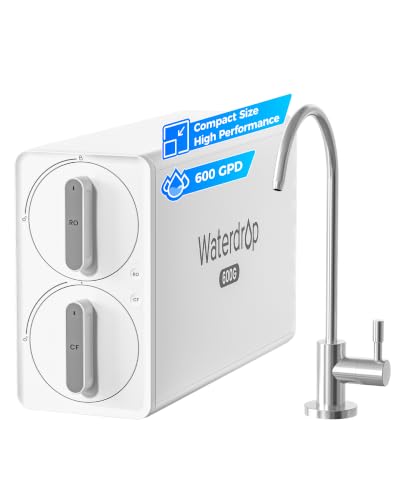
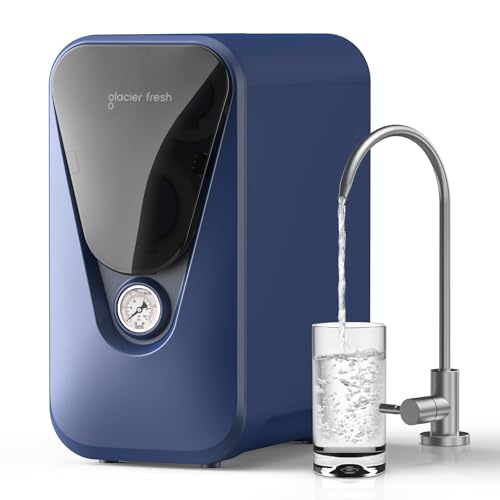
Traditional RO systems waste a lot of water, but newer models are far more efficient. Look for a pure-to-drain ratio of 2:1 or better, like the Waterdrop G3P600 or GLACIER FRESH GFU03 with a 3:1 ratio. Flow rate matters too: 600 GPD systems fill a cup in seconds, while 50 GPD tanks take longer. If you have a large family, a high-flow tankless system is worth the investment.
Certifications and Filter Life
NSF/ANSI 58 certification is the gold standard for RO systems. It confirms the system reduces TDS, lead, fluoride, and other contaminants. Some brands certify only components, but full system certification gives you peace of mind. Filter life varies from 6 months to 2 years, so check replacement costs before buying. The iSpring RCC7AK-BLK, for example, is NSF/ANSI 58 certified and uses long-lasting filters.
Final Thoughts
After evaluating dozens of systems, we believe reverse osmosis water is absolutely worth it for anyone seeking the purest drinking water at home. For a reliable under-sink option that balances performance and value, the APEC Water ROES-50 stands out with its 5-stage filtration and DIY-friendly design. If you prefer a no-install countertop solution with great efficiency, the DREO Reverse Osmosis Water Filter Countertop delivers 3:1 pure-to-drain ratio and automated self-cleaning, making it perfect for renters or quick setups.
Frequently Asked Questions
Does reverse osmosis remove all contaminants?
RO systems remove up to 99% of total dissolved solids, including lead, fluoride, arsenic, chlorine, and many PFAS chemicals. However, they do not remove some volatile organic compounds or dissolved gases unless paired with additional carbon filtration. For most households, an RO system provides water far purer than tap or bottled water.
How much does it cost to maintain a reverse osmosis system in 2026?
Annual maintenance typically includes replacing pre-filters every 6 to 12 months and the RO membrane every 2 to 3 years. Costs range from $50 to $150 per year depending on the brand and filter quality. Many systems, like those from iSpring and APEC, offer affordable replacement filter sets that keep ongoing expenses low.
Is reverse osmosis water healthy to drink long term?
Yes, RO water is safe and healthy for long-term consumption. Some worry about mineral removal, but you get essential minerals from food. Many premium systems now include remineralization stages that add back calcium and magnesium, balancing pH and taste. For more on this, read our iSpring RCC7AK review.
Can I install a reverse osmosis system myself?
Absolutely. Most under-sink RO systems are designed for DIY installation with quick-connect fittings and clear instructions. Countertop models require no installation at all. If you’re handy with basic tools, you can set up a system like the APEC ROES-50 in under an hour. Professional installation is rarely needed.


