

If you rely on well water, you know the struggle: hard water spots, a sulfur smell, or a metallic taste that just won’t go away. Unlike municipal supplies, well water isn’t pre-treated, so it can carry sediment, iron, manganese, and even bacteria. A dedicated reverse osmosis system can be the game-changer you need, filtering out these impurities and giving you clean, great-tasting water straight from the tap.
In this guide, we’ve evaluated nine top-rated RO systems specifically for well water use. We’ll break down what to look for, from sediment pre-filtration to pump-assisted models, and highlight the best options for different well water profiles. Whether you’re dealing with high iron or just want peace of mind, this guide has you covered.


Buying Guide: What to Consider for Well Water RO Systems
Choosing the right reverse osmosis system for well water isn’t just about picking the most popular model. Well water varies widely, and your system needs to handle the specific challenges your water presents. Here are the key factors we used to evaluate each system.
Pre-Filtration: The First Line of Defense
Well water often contains sediment, sand, and larger particles that can quickly clog a standard RO membrane. A system with robust pre-filters, like sediment filters or a dedicated first stage, is essential. The APEC Water ROES-50 and the Geekpure 5 Stage both feature multiple pre-filtration stages, which we found effective for extending the life of the RO membrane.
If your well water has high sediment levels, consider a system with a transparent first-stage housing. This lets you visually monitor how much debris is being caught, as seen on the iSpring RCC7AK-BLK. This simple feature helps you stay on top of maintenance before clogs become a problem.
Membrane Capacity and Efficiency
The RO membrane is the heart of the system, and its capacity (measured in gallons per day, or GPD) determines how much water you can produce. For a family, a 50 to 75 GPD system is usually sufficient. However, if you want faster dispensing, tankless models like the Waterdrop G3P600 offer 600 GPD, filling a glass in seconds.
Efficiency matters too. Traditional systems waste 3 to 4 gallons of water for every gallon purified. Look for models with a better pure-to-drain ratio, such as the Waterdrop G5P500A with a 2:1 ratio, which reduces water waste significantly. This is especially important if you’re on a well, where water conservation is often a priority.
Pressure and Pump Assistance
Well water pressure can fluctuate, and low pressure (below 40 psi) can severely reduce an RO system’s performance. If your well pump struggles to maintain adequate pressure, a system with a built-in booster pump is a smart investment. The iSpring RCC7P-AK includes a durable electric pump that ensures consistent output even with low incoming pressure, as we noted in our evaluation.
For those with adequate pressure, a standard system will work fine. But if you’ve experienced slow water flow or frequent filter clogs, a pump-assisted model can make a world of difference. Check your well’s pressure before buying, and if you’re unsure, a pump system offers a safety net.
Final Thoughts
After evaluating these systems, our top recommendation for most well water users is the APEC Water ROES-50, thanks to its reliable 5-stage filtration and excellent contaminant removal, ideal for standard well water. If you’re dealing with low water pressure or want the convenience of a tankless design, the Waterdrop G3P600 is a standout choice, offering high capacity and a smart display. Both systems are certified and built to handle the unique challenges of well water, so you can finally enjoy clean, great-tasting water from every tap.
Frequently Asked Questions
Can a reverse osmosis system remove iron from well water?
Yes, most RO systems can reduce iron, but the effectiveness depends on the iron concentration and form. For high iron levels, a dedicated iron filter before the RO system is recommended. Many of the systems we reviewed, like the APEC and iSpring models, include pre-filters that catch some iron, but for heavy contamination, you may need additional treatment.
Do I need a special RO system for well water?
Not necessarily, but you should consider the specific contaminants in your well water. If you have sediment, iron, or sulfur, choose a system with robust pre-filtration and possibly a booster pump. The Geekpure 5 Stage is a budget-friendly option that handles standard well water well, while the Waterdrop G5P500A offers advanced filtration for more challenging water.
How often should I replace filters on an RO system for well water?
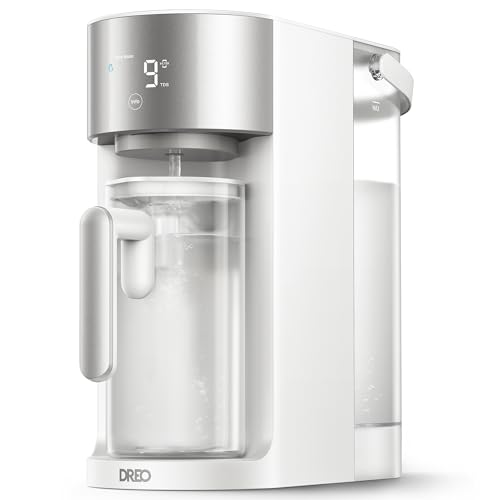
Filter replacement depends on your water quality and usage. Typically, pre-filters should be changed every 6 to 12 months, and the RO membrane every 2 to 3 years. For well water with higher sediment, you may need to replace pre-filters more frequently. The DREO countertop system offers a filter life monitor to simplify this, and you can learn more about maintenance in our water filter change guide.
Are tankless RO systems better for well water?
Tankless systems are more compact and provide water on demand, but they often require electricity and may not be suitable if your well pressure is low. The Waterdrop G3P600 is a top tankless option, but for well water with pressure issues, a traditional tank system with a pump might be more reliable. Consider your specific setup before choosing.


