You are standing in the kitchen, glass in hand, staring at the tap. The water smells faintly of chlorine, and you wonder if there is a better way. You have heard about Waterdrop and Brita, but which one truly delivers cleaner, better-tasting water without the hassle? This guide compares the top models from both brands, focusing on the Brita Large 10-Cup Water Filter Pitcher, to help you make an informed choice for your home in 2026.


Buying Guide
Filtration Performance and Contaminant Reduction
The heart of any water filter is its ability to remove unwanted substances. Brita’s high-density filter is certified by WQA to NSF/ANSI standards, reducing twice as many contaminants as standard filters, including chlorine, mercury, cadmium, copper, and zinc. It also retains beneficial minerals and electrolytes, so your water stays balanced and healthy.
Waterdrop systems often use advanced multi-stage filtration, sometimes including reverse osmosis technology. For a deeper look at the best Waterdrop systems available, check out our guide on the best Waterdrop RO systems of 2026.
Ease of Use and Maintenance
A water filter should simplify your life, not complicate it. The Brita pitcher features an easy-fill lid and a SmartLight indicator that reminds you when to replace the filter. It fits in most refrigerator doors, making it convenient for daily use.
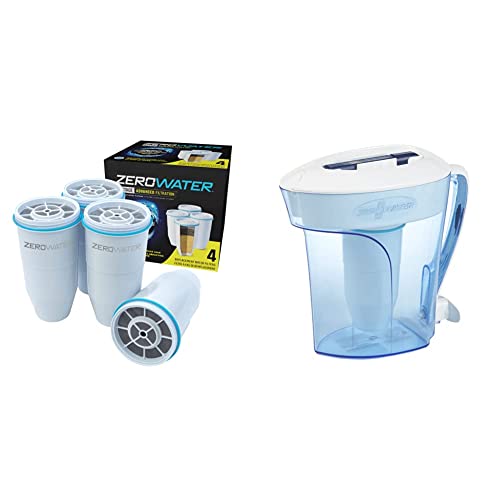
Waterdrop systems vary from countertop models to under-sink installations, each with its own maintenance routine. If you prefer a simpler setup, a pitcher like Brita might be the better choice. For more on pitcher options, see our comparison of ZeroWater vs PUR.
Environmental Impact and Cost Savings
Both brands help reduce single-use plastic waste. Brita claims one filter replaces up to 300 single-use plastic bottles, saving money and reducing waste over time. The filter lasts about two months or 40 gallons, making it a sustainable choice for regular use.
Waterdrop also emphasizes eco-friendly designs with long-lasting filters. For a broader perspective on water filtration options, visit our water filter pitchers category.
Design and Capacity
The Brita Large 10-Cup Pitcher is designed for families, holding enough water for multiple glasses or cooking needs. Its BPA-free construction and slim profile fit neatly in the fridge. Waterdrop offers sleek countertop units with larger capacities and sometimes integrated dispensers.
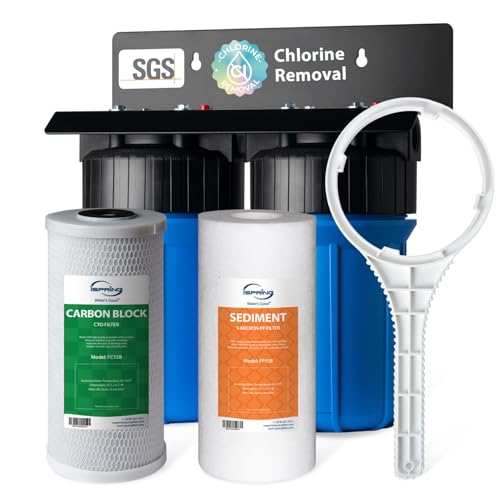
Consider your counter space and daily water consumption. If you need a compact, fridge-friendly solution, Brita is a strong contender. For those interested in a different type of system, you might explore the waterdrop vs iSpring for under-sink options.
Final Thoughts
After evaluating both brands, we recommend the Brita Large 10-Cup Water Filter Pitcher for its certified filtration, ease of use, and eco-friendly benefits, making it ideal for everyday family hydration. If you are looking for a more advanced system with reverse osmosis capabilities, Waterdrop offers excellent alternatives that deliver high purity levels, but for a straightforward, reliable pitcher that fits your fridge and your budget, Brita remains a top choice in 2026.
Frequently Asked Questions
How often should I replace the Brita filter?
Brita recommends replacing the filter every 40 gallons or approximately every two months. The SmartLight indicator on the pitcher helps you track when it is time for a change, ensuring consistent water quality.
Can I use a Brita pitcher with well water?
Brita filters are designed for municipal tap water and may not be effective against all well water contaminants. For well water, a more robust system like a reverse osmosis unit is often necessary. Learn more in our guide to the best reverse osmosis systems for well water in 2026.
Does Brita remove lead from water?
The BritaPlus filter reduces certain contaminants like copper, mercury, and zinc, but it is not certified for lead removal. If lead is a concern, consider a system specifically rated for lead reduction or a reverse osmosis system.
Is Waterdrop better than Brita for taste?
Both brands improve taste by reducing chlorine and other off-flavors. Brita retains some natural minerals for a balanced taste, while Waterdrop’s multi-stage filters can produce a more neutral profile. The choice often comes down to personal preference, but both deliver noticeably better water than tap.