You fill a glass from the tap, but that metallic aftertaste or lingering chlorine aroma makes you second-guess your water quality. Whether you are tired of buying plastic bottles or simply want cleaner, better-tasting water at home, choosing between ZeroWater and PUR can feel overwhelming. This guide breaks down the key differences between these two popular water filter pitchers, focusing on the ZeroWater Official Replacement Filter 4-Pack with a 10-cup pitcher, to help you decide which system fits your needs in 2026.
Buying Guide: What to Look for in a Water Filter Pitcher
Filtration Technology and Contaminant Reduction
The core of any water filter pitcher is its ability to remove impurities. ZeroWater uses a 5-stage filtration process that targets virtually all total dissolved solids (TDS), including lead, chromium, and PFOA/PFOS. This system is NSF certified, ensuring it meets strict standards for contaminant reduction. PUR filters, by contrast, typically use a 2- or 3-stage process that reduces chlorine, lead, and some pharmaceuticals, but they do not remove as many dissolved solids. For those concerned with maximum purity, especially if your water source has high mineral content, ZeroWater’s approach is more thorough.
Filter Lifespan and Replacement Cost
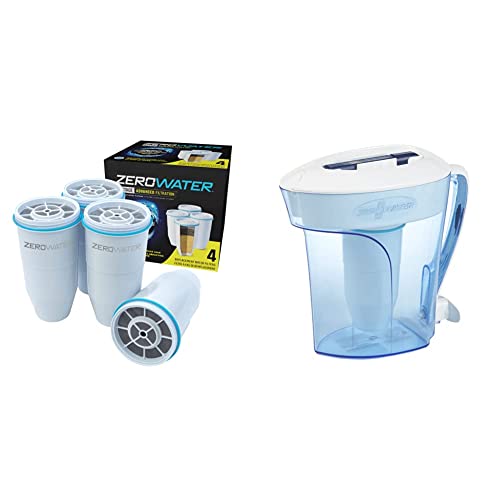
Filter longevity directly affects your ongoing expenses and convenience. ZeroWater estimates a 20-gallon lifespan per filter, which means you will replace filters more frequently than PUR, which often rates its filters for 40 gallons or more. However, ZeroWater includes a TDS meter that alerts you when the filter needs changing (at 006 ppm), removing guesswork. The ZeroWater Official Replacement Filter 4-Pack offers a bulk option to reduce per-filter cost, making it easier to maintain consistent water quality. If you prioritize low maintenance and longer intervals between changes, PUR may appeal, but for those who want precise control, ZeroWater’s approach is a strong choice.
Water Taste and Purity
Taste is often the deciding factor for many users. ZeroWater’s 5-stage filtration removes 99% of TDS, resulting in water that tastes nearly distilled, free from any mineral or chemical flavors. This is a major advantage if you dislike the flat or metallic taste of tap water. PUR filters reduce chlorine and sediment but retain some beneficial minerals, which can give water a more natural, slightly mineral taste. For those who prefer crisp, pure water with no aftertaste, ZeroWater is the clear winner. If you enjoy a hint of natural mineral flavor, PUR might suit you better.
Pitcher Design and Capacity
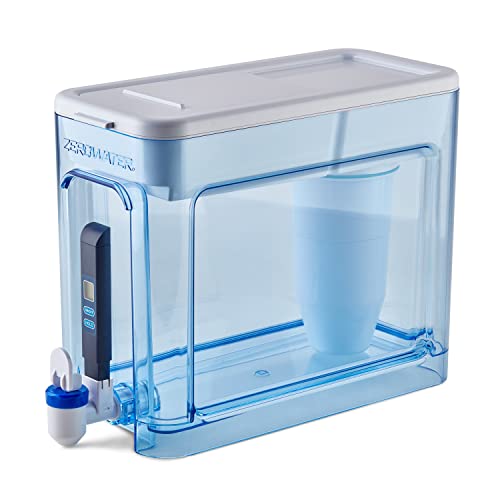
The physical design of the pitcher impacts daily use. The ZeroWater 10-cup Ready-Pour pitcher is space-saving and fits easily in most refrigerators, with a sleek design that complements modern kitchens. It includes a spout for easy pouring. PUR offers various sizes, including a 7-cup and 11-cup option, but their designs often feature a more compact footprint. Consider your household size and refrigerator space. For a single person or couple, the 10-cup ZeroWater pitcher is ample. For larger families, you may want a larger PUR model or multiple ZeroWater pitchers. See our guide on best brita water pitcher for more capacity comparisons.
Final Thoughts
After evaluating both systems, the ZeroWater Official Replacement Filter 4-Pack stands out for its exceptional filtration capability, removing virtually all dissolved solids to deliver pure, crisp water that rivals bottled water. If your priority is maximum purity and you are willing to replace filters more frequently, the ZeroWater Official Replacement Filter 4-Pack is the ideal choice. For those who prefer a more affordable, lower-maintenance option with a natural mineral taste, PUR remains a solid alternative. Ultimately, your decision hinges on whether you value absolute purity or convenience and cost savings.
Frequently Asked Questions
How often should I replace my ZeroWater filter?
ZeroWater recommends changing the filter when the included TDS meter reads 006 ppm, which typically occurs after about 20 gallons of use. This varies based on your water quality, so the meter takes the guesswork out of timing. In 2026, you can expect to replace the filter every 2 to 4 weeks for an average household.
Is ZeroWater better than PUR for removing lead?
Yes, ZeroWater is certified to reduce lead, chromium, and PFOA/PFOS through its 5-stage filtration. PUR also reduces lead, but ZeroWater’s process targets a broader range of contaminants. For households concerned about lead specifically, both are effective, but ZeroWater offers a higher level of overall purity.
Can I use ZeroWater filters with any pitcher?
ZeroWater filters are designed specifically for ZeroWater pitchers and are not compatible with other brands like PUR or Brita. Each system uses proprietary cartridges. For a detailed comparison of pitcher compatibility, check out our review of Clearly Filtered pitcher options.
Does ZeroWater remove beneficial minerals?
Yes, ZeroWater’s 5-stage filtration removes virtually all total dissolved solids, including beneficial minerals like calcium and magnesium. This results in water that tastes pure but lacks natural minerals. If you prefer water with some mineral content, PUR retains some minerals, which may be a better fit for your taste preferences.