You turn on the tap, and the water smells of chlorine. Or maybe you catch a metallic aftertaste that makes you reach for a plastic bottle instead. If that sounds familiar, you are not alone. Many homes rely on municipal water that still carries trace impurities, and the solution many families turn to is a reverse osmosis system.
In this guide, we break down the best reverse osmosis systems of 2026, comparing top models from iSpring, Waterdrop, DREO, and APEC. Whether you want an under-sink unit, a tankless design, or a countertop purifier, we have you covered. For a broader look at your options, check out our reverse osmosis systems overview before diving into the details below.




Buying Guide: How to Choose the Best Reverse Osmosis System
Choosing the right RO system goes beyond picking the first one you see. You need to consider filtration stages, water output, installation, and whether you want extra features like remineralization or a tankless design. Here are the key criteria we used to evaluate each product.
Filtration Stages and Contaminant Reduction
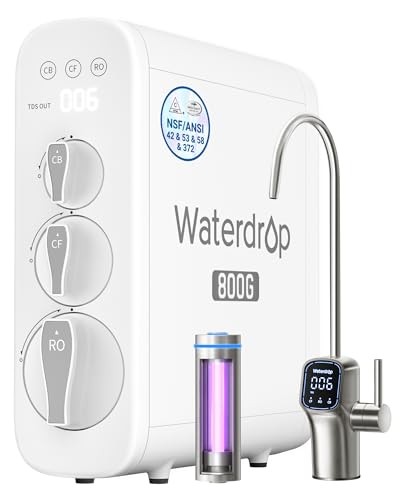
Most RO systems use multiple stages to remove impurities. A standard 5-stage system handles sediment, carbon filtration, the RO membrane, and a final polish. Higher-stage systems, like the 8-stage Waterdrop G5P500A or the 10-stage Waterdrop G3P800, add extra layers like alkaline remineralization or UV protection.
Look for systems certified to NSF/ANSI 58, which ensures the RO membrane reduces total dissolved solids effectively. The iSpring RCC7AK-BLK and RCC7AK-BN are certified to this standard, giving you confidence in their performance. For a deeper dive into filtration options, visit our drinking water filters guide.
Water Output and Efficiency
Water flow matters, especially for busy households. Systems are rated in gallons per day (GPD). A 50 GPD system like the APEC ROES-50 is fine for small families, while the Waterdrop G3P800 offers 800 GPD, filling a cup in seconds.
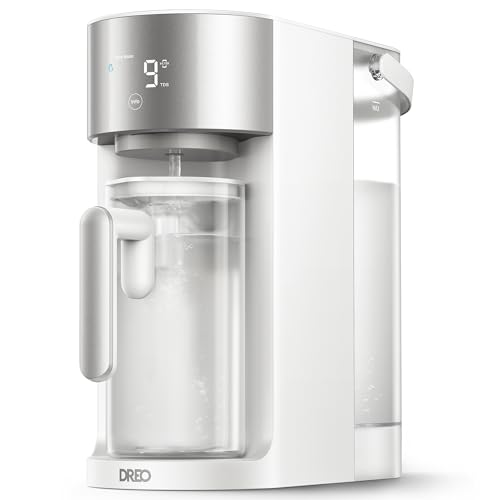
Efficiency also includes the pure-to-drain ratio. Many modern systems, like the DREO countertop model, boast a 3:1 ratio, meaning less wastewater. That is a win for both your water bill and the environment.
Installation and Space Requirements
Under-sink systems require space and sometimes a power outlet. Tankless models, like the Waterdrop G3P600, free up 70% of your cabinet space and make filter changes a breeze. Countertop systems, such as the DREO Reverse Osmosis Water Filter Countertop, need no installation at all, making them ideal for renters or small kitchens.
If you prefer a DIY setup, look for systems with quick-connect fittings and clear instructions. The iSpring RCC7AK-BN features a patented top-mounted faucet design that simplifies installation from above, a real lifesaver for tight spaces.
Extra Features: Alkaline, UV, and Smart Monitoring
Some RO systems go beyond basic filtration. Alkaline remineralization adds beneficial minerals and raises pH, giving water a smoother taste. The iSpring RCC7AK-BLK and RCC7AK-BN both include this feature.
UV filters provide an extra layer of protection against microorganisms, as seen in the iSpring RCC7AK-UV. Smart faucets with TDS monitoring, like those on Waterdrop systems, let you check water quality at a glance, so you always know when to change filters.
Final Thoughts
After evaluating dozens of models, we found that the iSpring RCC7AK-BLK stands out for its NSF-certified performance and alkaline minerals, making it a top pick for families who want great-tasting water. For those who prefer a tankless, high-capacity option, the Waterdrop G3P800 offers rapid flow and smart features that fit modern kitchens. Whichever you choose, you are investing in cleaner, healthier water for years to come.
Frequently Asked Questions
What is the best reverse osmosis system for a small household?
For one or two people, a countertop system like the DREO Reverse Osmosis Water Filter Countertop is a great fit because it requires no installation and offers a 3:1 pure-to-drain ratio. If you prefer an under-sink unit, the APEC ROES-50 with 50 GPD capacity is reliable and easy to maintain.
Do reverse osmosis systems remove beneficial minerals?
Traditional RO systems remove most minerals, including some beneficial ones. However, many models now include an alkaline remineralization stage, like the iSpring RCC7AK-BLK, which adds back calcium, magnesium, and potassium for better taste and health benefits.
How much maintenance does an RO system require?
Most systems need filter changes every 6 to 12 months, depending on water quality and usage. Tankless models like the Waterdrop G3P600 make this a 3-second task, while traditional systems may require a bit more effort. Always follow the manufacturer’s schedule for optimal performance.
Are tankless reverse osmosis systems worth it?
Tankless systems, such as the Waterdrop G3P800, are worth it if you have limited under-sink space or want a constant supply of fresh water. They also tend to have higher flow rates and lower wastewater ratios, making them a modern, efficient choice. Check our reverse osmosis systems page for more comparisons.