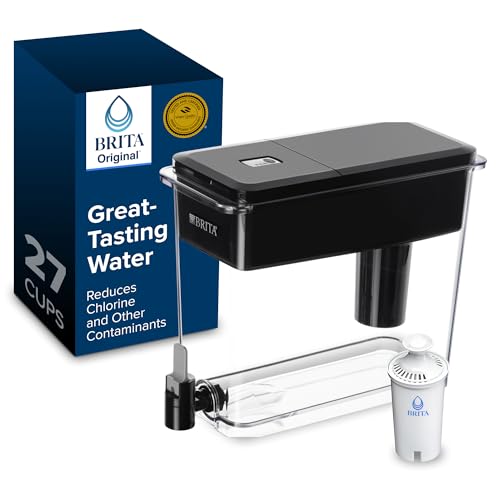
Your morning shower leaves your skin feeling dry. Your once-sparkling glasses come out of the dishwasher with a cloudy film. Your laundry feels stiff no matter how much detergent you use. If this sounds familiar, hard water minerals like calcium and magnesium are likely the culprits. A whole house water softener can resolve these issues, protecting your plumbing, extending the life of your appliances, and giving you softer skin and hair. In this guide, we review the best water softeners of 2026, from compact units for small homes to high-capacity systems for larger households. We also cover key features to look for, so you can make a confident choice. If you are also looking for clean drinking water, consider pairing your softener with a best water filter pitcher for peace of mind.




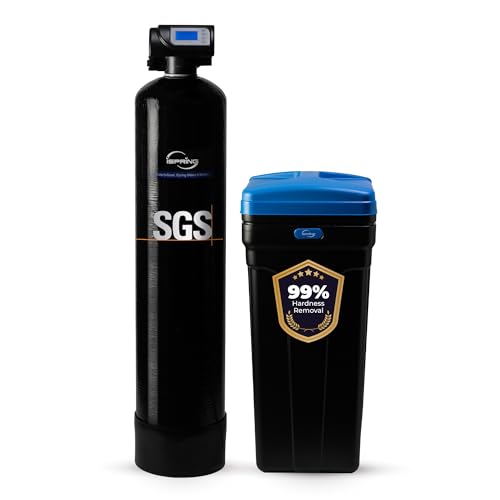
Buying Guide: How to Choose the Best Water Softener
Grains Capacity
The grains capacity of a water softener determines how much hardness it can remove before regenerating. A higher capacity means less frequent regeneration cycles and longer periods between salt refills. For a household of 1 to 4 people with moderately hard water, a 32,000 or 40,000 grain system is often sufficient. For larger families or very hard water, consider a 48,000 grain or higher unit. Always measure your water hardness and daily water usage to find the right fit.
Control Valve Type
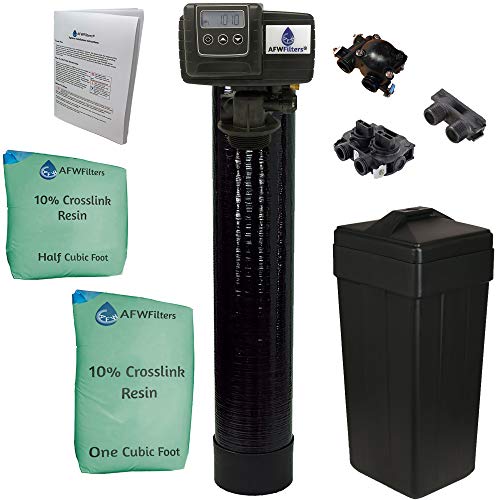
The control valve manages the softening cycle. Digital metered valves, like the Fleck 5600 SXT or Aquasure’s automatic heads, monitor actual water usage and regenerate only when needed. This saves salt and water compared to time-based systems. Look for a valve with a programmable backlit display for easy adjustments. A reliable valve is the heart of your softener, so choose a model from a reputable brand.
Resin Quality
The ion exchange resin inside the tank is what actually removes hardness minerals. Higher crosslink percentages (like 10% crosslink resin) offer better resistance to chlorine and longer life. Some systems, like those from Aquasure, come prefilled with premium-grade resin. If your water has high iron levels, look for fine mesh resin designed to handle iron removal. A quality resin ensures consistent softening performance for years.
For additional water quality improvements, you might explore a best countertop water filter for drinking water, or a best under sink water filter for a dedicated faucet. If you need the highest level of purification, a best reverse osmosis system can remove a wide range of contaminants.
Final Thoughts
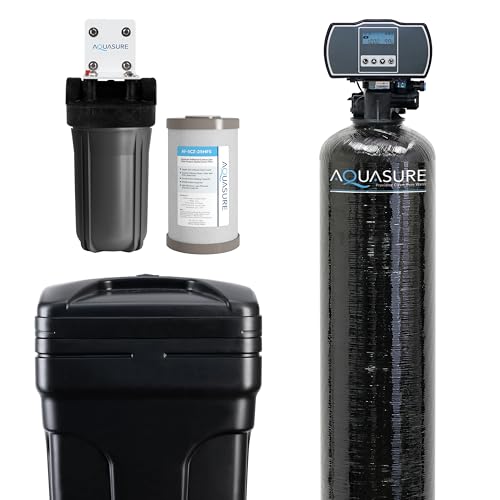
Choosing the best water softener depends on your household size, water hardness, and budget. For small to medium homes, the Aquasure Harmony Series 32,000 Grains Whole House offers excellent value with a digital metered head and a 5-year warranty. For larger families or those with very hard water, the AFWFilters Fleck 5600 SXT Digital Water Softener provides a proven, USA-assembled system with high-capacity resin. Both models deliver reliable, long-lasting performance to transform your water quality.
Frequently Asked Questions
How does a water softener work?
A water softener uses ion exchange to replace calcium and magnesium ions with sodium or potassium ions. Hard water passes through a tank filled with resin beads that attract the hardness minerals, and the softened water flows to your taps. The resin is periodically regenerated with a salt brine solution to recharge its softening capacity.
How much salt do I need for my water softener?
Salt usage depends on your water hardness, daily water consumption, and the softener’s efficiency. On average, a household of four uses about 40 to 80 pounds of salt per month. Digital metered systems use less salt because they regenerate based on actual usage. Always check your owner’s manual for specific recommendations.
Can a water softener remove iron?
Yes, many water softeners can remove low levels of dissolved iron (up to about 2 ppm). Some models, like the Aquasure Harmony Series 70,000 Grains Whole House, feature fine mesh resin specifically designed to handle up to 10 ppm of iron. For higher iron levels, a dedicated iron filter may be needed. For more details, visit our water softeners category page or the whole house page.
Do water softeners require maintenance?
Routine maintenance includes adding salt to the brine tank, cleaning the brine tank annually, and occasionally checking the resin and control valve. Most modern systems have self-cleaning cycles and digital alerts for low salt. With proper care, a quality water softener can last 10 to 15 years.