

You fill your glass from the tap, but a faint chlorine smell or a metallic aftertaste makes you pause. Maybe you’ve read about PFAS or fluoride lurking in municipal water, and you want a simple fix. If you’re renting, short on space, or just don’t want to hire a plumber, a countertop water filter is the answer. This guide zeroes in on the best countertop water filter options from DREO, comparing two standout RO systems that deliver bottled-quality water without any installation.
We’ve spent hours evaluating specs, filtration performance, and everyday usability so you can pick the right one for your kitchen, office, or RV. Whether you’re a solo water drinker or a busy household, we’ll break down what matters most. For a deeper dive into whole-home options, check out our best reverse osmosis system guide.


Buying Guide: What to Look for in a Countertop Water Filter
Filtration Performance and Contaminant Removal
The whole point of a countertop filter is cleaner, safer water. Look for systems that use reverse osmosis (RO) technology, which is highly effective at reducing heavy metals, chlorine, fluoride, and emerging contaminants like PFOA and PFOS. A 7-in-1 filtration system, as seen in DREO models, often combines sediment, carbon, and RO membrane stages for comprehensive purification.
Check if the system meets recognized standards like NSF/ANSI 58, which validates the removal of specific contaminants. This gives you peace of mind that the filter actually performs as claimed. For more on under-sink alternatives, see our best under sink water filter guide.
Efficiency and Water Waste
Traditional RO systems waste a lot of water, but modern countertop models are far more efficient. Look for a high pure-to-drain ratio, such as 3:1, meaning for every three cups of clean water, only one cup goes down the drain. This not only conserves water but also reduces your environmental footprint.
Some systems also feature a self-cleaning function that flushes internal tubes, extending the filter’s life and maintaining water quality. This is a smart investment for long-term savings.
Ease of Use and Maintenance
A countertop filter should simplify your life, not complicate it. Look for features like auto-fill pitchers that detect when the tank is low and refill automatically, so you always have fresh water on hand. Real-time TDS (total dissolved solids) monitoring lets you see the purity of both raw and filtered water, while filter-life indicators remind you when it’s time for a replacement.
Twist-to-install filters make maintenance a breeze, and a compact footprint ensures the unit fits neatly on your counter without taking over. If you’re exploring other countertop options, our countertop filters page offers more insights.
Final Thoughts
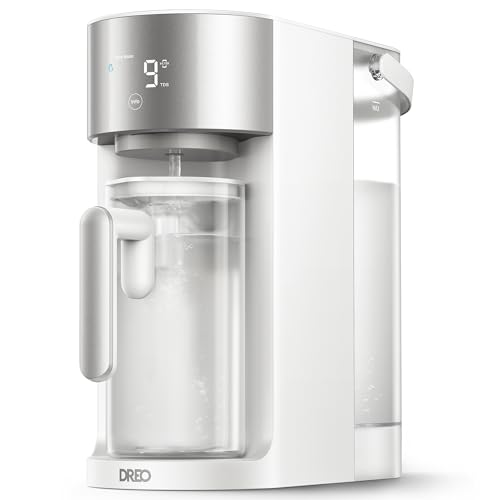
When you’re ready to upgrade your water, both the DREO Reverse Osmosis Water Filter Countertop and the DREO Reverse Osmosis Water Filter System deliver exceptional purification with 7-in-1 RO technology, removing 99.9% of contaminants while offering 3:1 efficiency. The Countertop model shines with its dual autofill pitchers, ideal for families or heavy drinkers, while the System version is a compact, budget-friendly pick for singles or couples, complete with real-time TDS monitoring and a space-saving design. Whichever you choose, you’ll enjoy fresh, clean water straight from your counter, no plumber required.
Frequently Asked Questions
How often do I need to replace the filter in a countertop RO system?
Most countertop RO filters, including DREO models, last around 265 gallons (1,000 liters) of filtered water, which translates to roughly 6 to 12 months depending on your daily consumption. The system’s filter-life indicator will alert you when it’s time for a swap, and replacing the filter is as simple as a twist-and-lock motion.
Can a countertop water filter remove fluoride and PFAS?
Yes, reverse osmosis systems are highly effective at reducing fluoride, PFAS (including PFOA and PFOS), chlorine, and many other contaminants. DREO’s 7-in-1 RO filtration is certified to NSF/ANSI 58 standards, ensuring a 99.9% reduction of these impurities. This makes it a solid choice for health-conscious households.
Do countertop water filters require professional installation?
No, that’s the beauty of countertop models. They are install-free, meaning you simply place the unit on your counter, fill the reservoir with tap water, and plug it in. There’s no plumbing or drilling involved, making them perfect for renters, offices, or anyone who wants a quick and portable solution.
What is the difference between a countertop RO filter and an under-sink RO system?
Countertop RO filters sit on your counter and require no installation, while under-sink systems are mounted beneath your sink and connect to your plumbing. Countertop models are more portable and easier to set up, but under-sink systems are hidden from view and can handle larger volumes. For a detailed comparison, check our best under sink water filter article.


