If you rely on well water, you know the struggle: hard water stains, dry skin, and scale buildup in pipes and appliances. The right water softener for well water can transform your home’s water quality, making everything from showers to laundry feel better. In this guide, we evaluate top-rated softeners designed to handle well water’s unique challenges, including hardness and iron. We’ll help you choose the perfect system for your household size and water conditions.
We’ve analyzed eight leading models from trusted brands like Aquasure, iSpring, and Kenmore. Our focus is on performance, durability, and ease of use. Whether you have a small family or a large home, our picks cover a range of capacities and features. For a broader look at whole-house filtration, check our best whole house water filter for well water guide.



Buying Guide: What to Look for in a Well Water Softener
1. Grain Capacity and Household Size
Grain capacity determines how much hardness the softener can remove before regenerating. For a family of 1-2, a 32,000-grain system like the Kenmore 350 Whole House Water Softener System is often sufficient. Larger households need higher capacities, such as 48,000 or 70,000 grains, to avoid frequent regeneration cycles.
Consider your daily water usage and the hardness level of your well water. A water test can provide accurate measurements. For most homes, a softener with 40,000 to 50,000 grains offers a good balance of efficiency and performance. Our best water softener covers more capacity options.
2. Iron Removal Capability
Well water often contains iron, which can cause rust stains and a metallic taste. Some softeners, like the Aquasure Harmony Series 70,000 Grains Whole House, include fine mesh resin designed to reduce iron up to 10 ppm. If your well water has high iron levels, look for a system with this enhanced resin.
Without iron removal, standard softeners may become fouled over time. Check the product specifications for iron reduction ratings. For severe iron issues, you might need a dedicated iron filter before the softener. Our water softeners category page offers more insights.
3. Control Valve Type and Regeneration
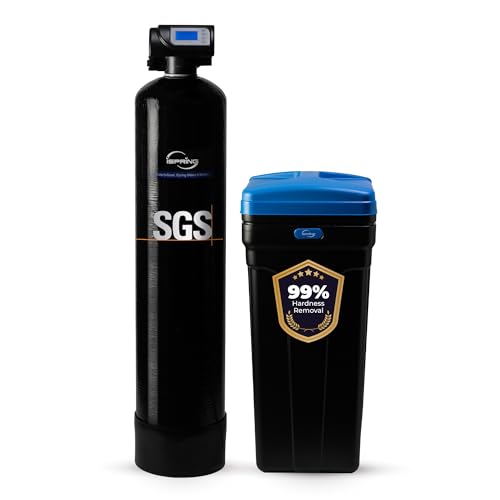
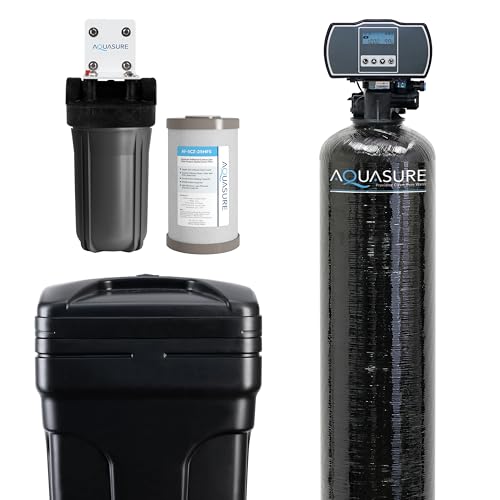
Metered control heads are more efficient than time-based ones. They regenerate based on actual water usage, saving salt and water. The Aquasure Harmony Series 32,000 Grains Whole House features a digital metered head that you can program to match your water quality.
Advanced models, like the Kenmore with IntelliSoft Technology, use AI to learn your family’s habits and optimize regeneration. This smart approach reduces waste and ensures you always have soft water. For more on whole-house systems, see our best whole house water filter article.
Final Thoughts
Choosing the best water softener for well water depends on your household size, iron levels, and budget. For most families, the Aquasure Harmony Series 32,000 Grains Whole House offers reliable performance and easy control. If you have a larger home or higher iron content, the Aquasure Harmony Series 70,000 Grains Whole House is a robust choice. Both are built to last and come with solid warranties, making them great investments for your home.
Frequently Asked Questions
How do I know if my well water needs a softener?
Signs of hard water include white scale on faucets, dry skin, and dingy laundry. A simple water test can measure hardness and iron levels. If your water hardness exceeds 10 grains per gallon, a softener is recommended.
Can a water softener remove iron from well water?
Yes, many softeners can reduce small amounts of iron, typically up to 5-10 ppm. Look for models with fine mesh resin or specific iron removal ratings. For high iron levels, consider a dedicated iron filter.
What size water softener do I need for a family of four?
For a family of four, a 40,000 to 48,000-grain softener is usually sufficient. This capacity handles typical daily usage without frequent regeneration. Check your water hardness to confirm the right size.
Do water softeners require a lot of maintenance?
Routine maintenance involves refilling salt and cleaning the brine tank occasionally. Most modern systems have self-cleaning features and digital displays to monitor salt levels. With proper care, a softener can last 10-15 years.