You turn on the tap, fill a glass, and take a sip. But lurking in that clear water could be PFAS, synthetic chemicals linked to health risks that have contaminated water supplies across the country. Finding a filter that actually removes these forever chemicals is not just about taste, it is about peace of mind. In this guide, we evaluate five top-rated filters from brands like ZeroWater, Clearly Filtered, CuZn, and Waterdrop that are designed to reduce PFAS, PFOA, and PFOS. Whether you prefer a pitcher or an under-sink system, we help you choose the right solution for your home. For a broader look at filtration options, check out our guide on best under sink water filter for alkaline mineral water.



Buying Guide: What to Look for in a PFAS Water Filter
Filtration Technology and Certification
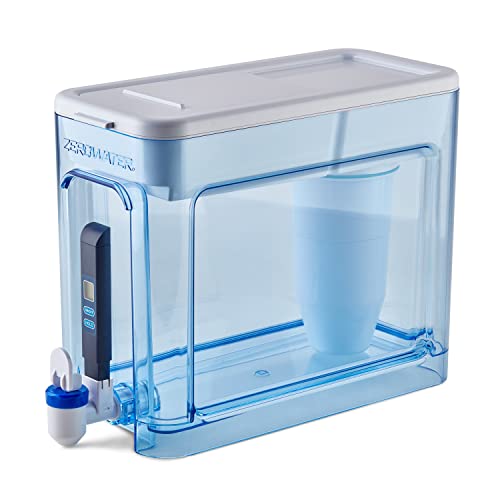
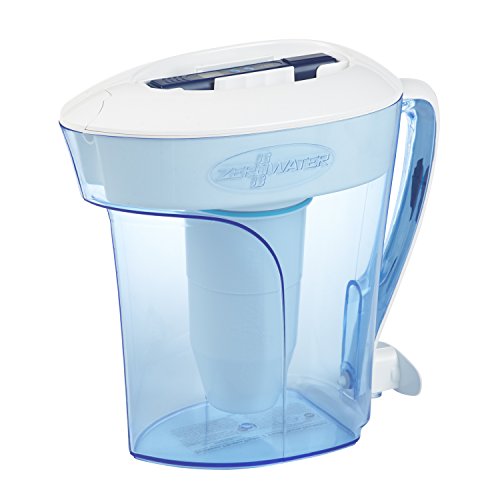
The heart of any PFAS filter is its technology. Look for filters that use activated carbon, ion exchange, or reverse osmosis, as these methods are proven to reduce PFAS compounds. Certification from independent bodies like NSF/ANSI or IAPMO adds trust, because it means the filter has been verified to meet specific standards for contaminant reduction. For example, the ZeroWater filters are IAPMO certified to reduce PFOA/PFOS, while Clearly Filtered boasts NSF certification and targets over 380 contaminants.
Filter Lifespan and Replacement Costs
Filters have different lifespans, which affects long-term value. Some pitchers require monthly filter changes, while under-sink systems like the CuZn UC-200 can last up to five years. Consider how often you will need to buy replacements and factor that into your budget. A filter with a longer life may cost more upfront but save you money over time.
Installation and Convenience
Decide between a pitcher or an under-sink system based on your space and lifestyle. Pitchers are portable and require no installation, making them ideal for renters or small kitchens. Under-sink filters are permanent but free up counter space and often provide faster flow rates. The Waterdrop 10UA, for instance, connects directly to your faucet with a simple twist-and-lock design, while the CuZn UC-200 is an inline filter that needs no drilling. For more on installation differences, read our comparison of best countertop water filter options.
Contaminant Coverage Beyond PFAS
While PFAS is the primary concern, many filters also reduce other contaminants like lead, chlorine, and microplastics. Choosing a filter that handles multiple impurities gives you broader protection. The Clearly Filtered pitcher, for example, reduces fluoride, arsenic, and pharmaceuticals, making it a comprehensive choice for health-conscious households. If fluoride is a specific concern, see our guide on best water filter for fluoride.
Final Thoughts
Choosing the right PFAS filter depends on your needs, but two products stand out for different reasons. For a pitcher that offers extensive contaminant removal and NSF certification, the Clearly Filtered Water Filter Pitcher is a top choice for families wanting maximum protection. If you prefer a low-maintenance under-sink solution with a five-year filter life, the CuZn UC-200 Under Sink Water Filter delivers excellent value and simple DIY installation. Whichever you choose, you can drink with confidence knowing your water is free from harmful PFAS chemicals.
Frequently Asked Questions
Do all water filters remove PFAS?
No, not all filters are designed to remove PFAS. Standard pitcher filters may only reduce chlorine and sediment. For PFAS reduction, look for filters with activated carbon or ion exchange technology that are specifically certified for PFOA/PFOS removal.
How often should I replace a PFAS filter?
Replacement frequency varies by model. Pitcher filters like those from ZeroWater typically need changing every 40 gallons or when the TDS meter reads 006. Under-sink filters like the CuZn UC-200 can last up to five years. Always follow the manufacturer’s guidelines for your specific filter.
Can a water filter remove all PFAS chemicals?
While many filters reduce common PFAS compounds like PFOA and PFOS, no filter removes 100% of all PFAS variants. The best filters use a combination of technologies, such as activated carbon and ion exchange, to achieve high reduction rates. For the most thorough removal, reverse osmosis systems are often recommended, as we discuss in our best reverse osmosis system guide.
Is a pitcher or under-sink filter better for PFAS?
Both can be effective. Pitchers are convenient and affordable, ideal for small households or renters. Under-sink filters offer higher capacity, faster flow, and often longer filter life, making them better for families or those who want a permanent solution. Your choice depends on your budget, space, and how much water you consume daily.