If you rely on well water, you already know the challenges: sediment, rust, sand, and sometimes unpleasant tastes or odors can make their way into your home. Unlike municipal water, well water isn’t treated before it reaches your taps, so choosing the right filtration system is essential for clean, safe, and great-tasting water. In this guide, we review the best water filter for well water options available in 2026, focusing on whole house systems that tackle sediment, chlorine, and other common well water contaminants. Whether you need a simple sediment filter or a multi-stage system, we’ve got you covered. For more on whole house filtration, check out our guide to the best whole house water filters.

Buying Guide
Filtration Stages
The number of filtration stages directly impacts how well your system handles well water. A single-stage sediment filter is great for removing large particles like sand and rust, but it won’t address chemicals or microorganisms. Two-stage systems add a carbon filter to reduce chlorine and improve taste, while reverse osmosis (RO) systems provide the highest level of purification, removing dissolved solids, heavy metals, and more. For well water, a multi-stage approach is often the best water filter for well water because it addresses a wide range of impurities.
Flow Rate and Capacity
Whole house filters must handle the water demands of your entire household without dropping pressure. Look for systems with 1-inch inlet and outlet ports and high gallon-per-minute (GPM) ratings. Filters with larger cartridges, like 4.5-by-10 inches, offer longer service life and better flow. A system that can treat up to 50,000 gallons ensures you won’t be changing filters every month, even with heavy use. This is crucial when selecting the best water filter for well water to avoid frustrating pressure drops.
Filter Type and Micron Rating
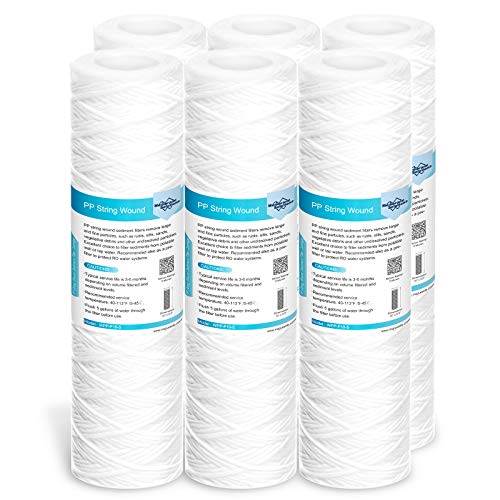
Sediment filters come in different materials and micron ratings. String-wound filters, like those from Membrane Solutions, offer high dirt-holding capacity and are ideal for well water with heavy sediment loads. A 5-micron rating captures fine particles without clogging too quickly, while a 1-micron filter is better for extremely fine silt. For well water, starting with a 5-micron sediment filter as a pre-filter is a smart choice to protect downstream equipment. If you also need to soften hard water, consider pairing your filter with a water softener.
Certifications and NSF Standards
NSF certifications ensure that a filter meets rigorous standards for contaminant reduction. Look for systems certified to NSF/ANSI 42 for aesthetic effects (chlorine, taste, odor) and NSF/ANSI 58 for reverse osmosis systems. While not all well water filters carry certifications, those that do provide extra peace of mind. For example, the iSpring RCC7AK-BN is NSF 58 certified for the entire system, confirming its ability to reduce a wide range of contaminants common in well water.
Final Thoughts
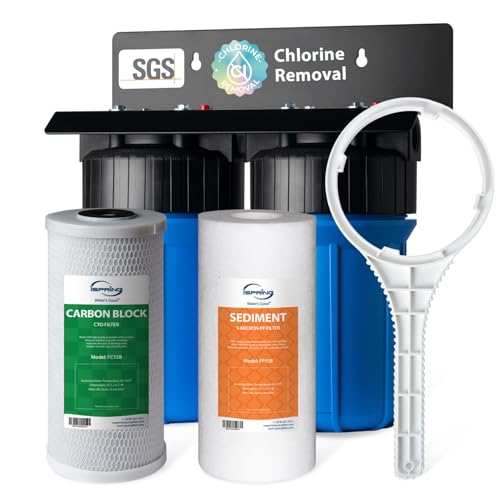
Choosing the best water filter for well water comes down to your specific water quality and household needs. For comprehensive whole house filtration that handles sediment, chlorine, and VOCs, the iSpring WGB21B 2-Stage Whole House Water system offers excellent value and performance. If you’re looking to remove dissolved solids and improve pH balance at a single tap, the iSpring RCC7AK-BN NSF Certified, 75 GPD alkaline RO system is a top-tier choice. Both systems are backed by reliable brands and deliver the clean, great-tasting water your family deserves.
Frequently Asked Questions
What is the best water filter for well water with high sediment?
For well water with heavy sediment, a whole house sediment filter like the Membrane Solutions 5 Micron String Wound filter is ideal. Its high dirt-holding capacity traps sand, rust, and silt effectively. Pair it with a carbon filter for best results in 2026.
Do I need a whole house filter or an under-sink filter for well water?
It depends on your needs. A whole house filter treats all water entering your home, protecting appliances and every faucet. An under-sink RO system, like the iSpring RCC7AK-BN, provides high-purity water for drinking and cooking. Many homeowners use both for comprehensive coverage.
How often should I replace well water filters?
Sediment filters typically need replacement every 3 to 6 months, depending on water quality and usage. Carbon filters can last 6 to 12 months. RO membranes may last 2 to 3 years with proper pre-filtration. Always follow the manufacturer’s recommendations for your specific system.
Can a water filter remove bacteria from well water?
Standard sediment and carbon filters do not remove bacteria. For bacterial contamination, you need an RO system with a membrane that blocks microorganisms, or a UV filter. Always have your well water evaluated for bacteria before choosing a filtration method.